
Oil Hits $128 as Price Becomes a Weapon
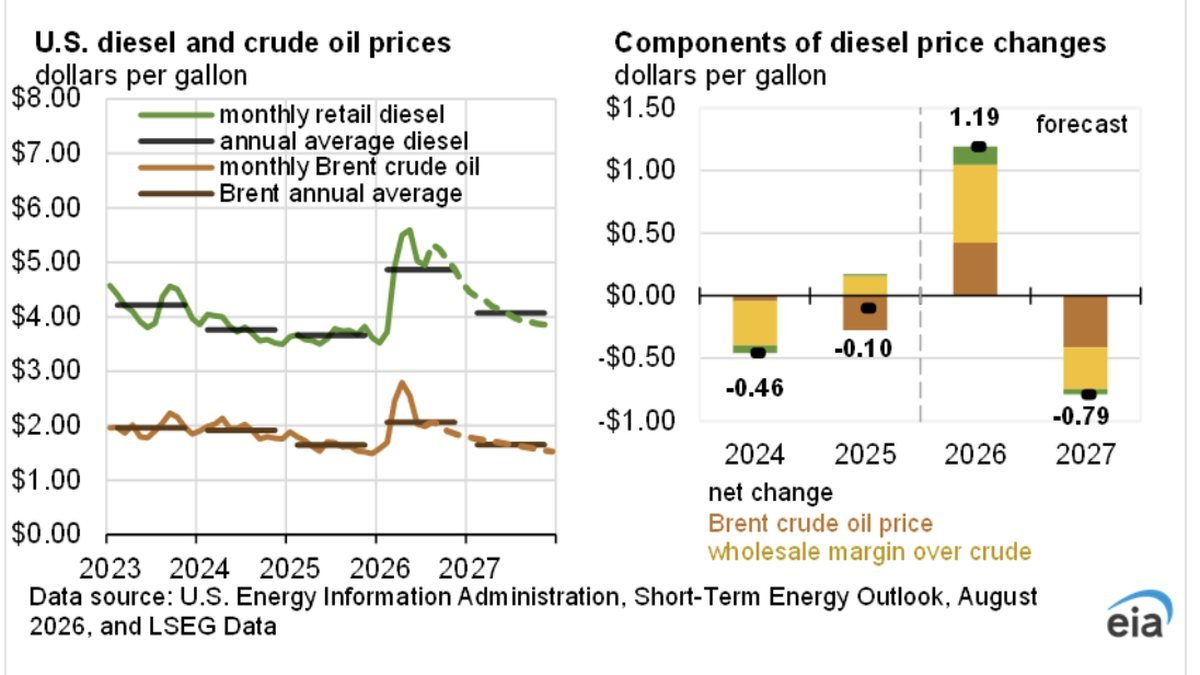
By April 2, 2026, the oil market had entered uncharted territory. Brent crude reached approximately $128 per barrel, a level not seen since the 2008 financial crisis. The following day, prices climbed even higher to $141.37.
At these levels, price stopped functioning merely as a market signal and became an economic weapon. Demand destruction began accelerating. European diesel prices increased by approximately 70 percent. US gasoline prices rose by around 60 percent. Industrial activity slowed, freight volumes contracted and economies around the world began to experience the effects.
Why did prices rise so dramatically? The answer lies in the nature of the supply shock. A disruption of this magnitude affecting a chokepoint responsible for approximately one fifth of global oil trade cannot be replaced quickly. The global oil market operates with limited spare capacity, while the sudden loss of more than 15 million barrels per day of shipping capacity created a physical shortage.
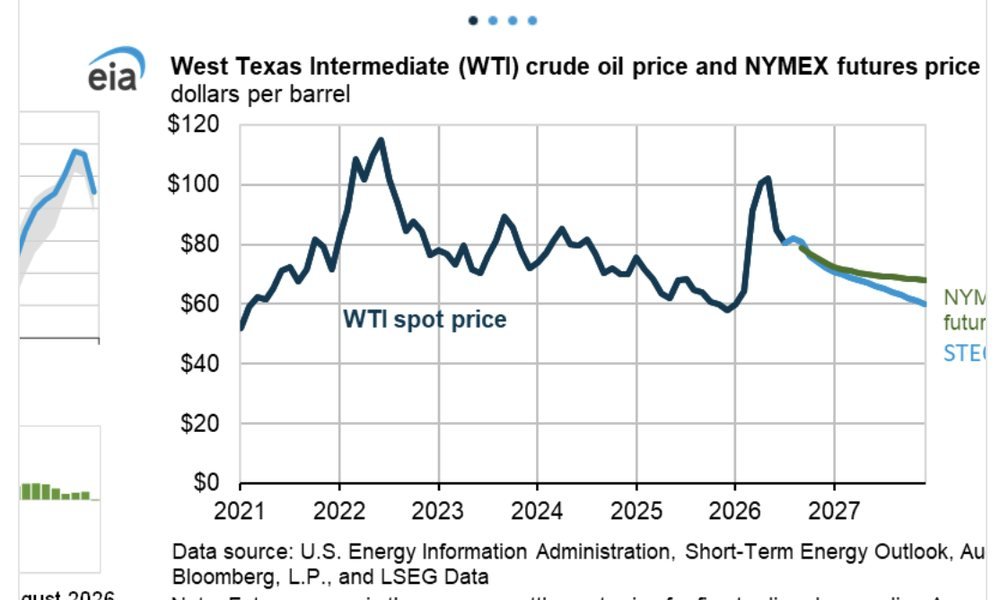
Refineries, desperate to secure crude, began bidding aggressively for available barrels. The spot market, where physical crude is exchanged for immediate delivery, experienced price increases that significantly exceeded movements in futures markets. This dislocation between spot and futures prices is a characteristic feature of a genuine physical supply crisis.
At $128, the global economy begins to break. Industrial production slows, airlines reduce routes, shipping companies lower operating speeds and consumers begin changing their behaviour. Demand destruction becomes the primary mechanism for restoring market balance because supply cannot respond within weeks. New production capacity generally requires years to develop.