
Oil at $93 and the Emergence of a Two Tier Market
By August 20, 2026, Brent crude was trading at approximately $93 per barrel, around $8 above the agency's own third quarter forecast with five weeks remaining in the quarter.
The global oil market had effectively divided into two tiers. One group consisted of companies willing to accept extreme risks in order to continue sailing through the Strait of Hormuz. The other consisted of shipowners prioritising safety by diverting vessels onto longer but safer routes.
The data demonstrated the scale of the disruption:
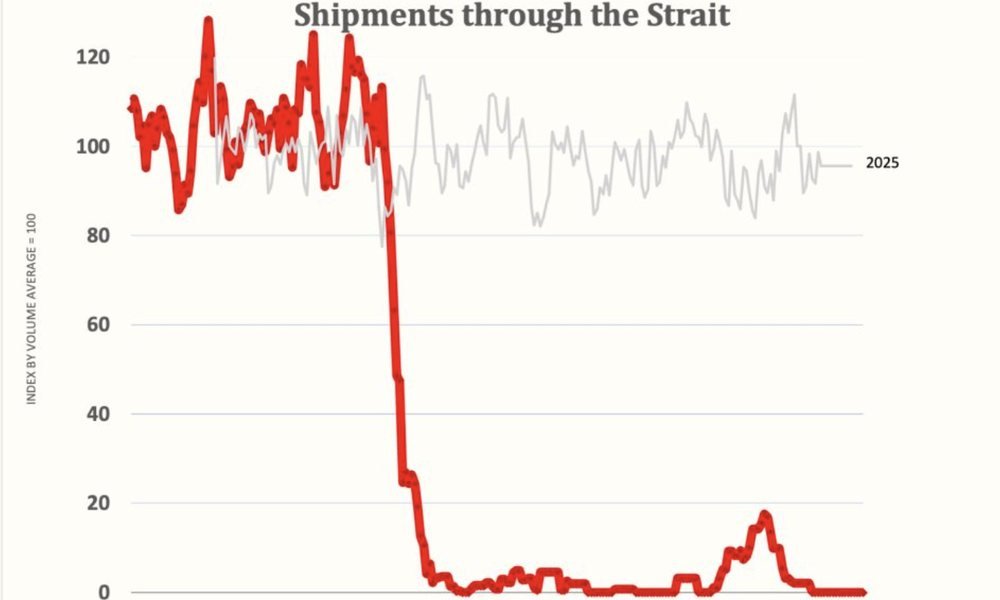
Crude stored at sea fell by 175 million barrels over four weeks, equivalent to a vertical decline of approximately 6.2 million barrels per day.
Onshore inventories declined by 81 million barrels, or approximately 2.9 million barrels per day.
The combined inventory drawdown reached an unprecedented level of approximately 9 million barrels per day.
Why was the drawdown so severe? The world had not yet lost five to six million barrels per day of physical production. Instead, it had lost a significant amount of shipping capacity required to transport available crude. By August, the scale of inventory withdrawals provided clear evidence that demand was exceeding the supply that could effectively reach consumers.
An analyst observed that until mid July, the market had been expecting a diplomatic détente. Following the renewed standoff, that optimism had largely disappeared.
The longer term implications were even more concerning. The EIA did not expect Middle Eastern oil production to return close to pre conflict levels until early 2027, citing continued disruption to normal shipping flows through the Strait of Hormuz as a major constraint.