
Asia's LNG Reckoning and the Impact of Demand Destruction
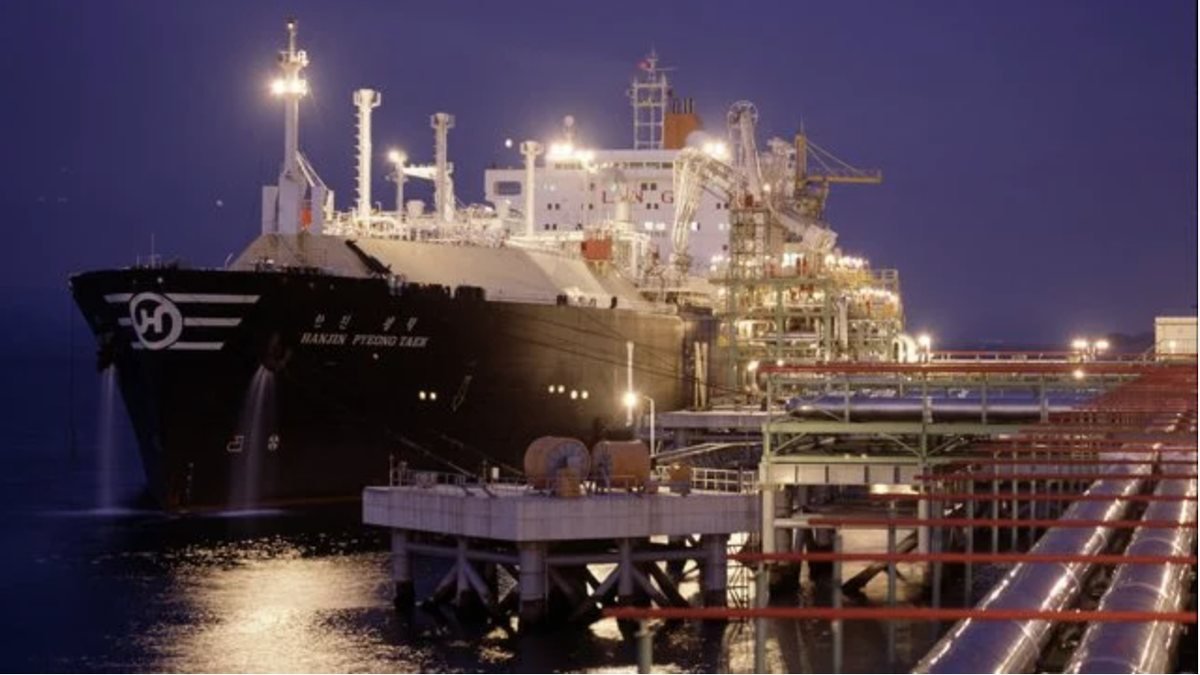
The Asian LNG market was undergoing a profound transformation during July 2026. Wood Mackenzie forecast Asia Pacific LNG demand at 257 million tonnes in 2026, down from 268 million tonnes in 2025 and a peak of 278 million tonnes in 2024.
The Middle East conflict fundamentally altered LNG supply dynamics. Asia accounted for nearly 90 percent of Qatari and UAE LNG shipments travelling through the Strait of Hormuz. When the strait was effectively closed, Asian buyers faced a difficult choice: pay extremely high prices or reduce consumption.
Prices exceeded $40 per million British thermal units in early July, reaching levels that were increasingly unsustainable for many Asian buyers. Platts JKM for August approached $44 per MMBtu, close to five month highs.

Demand destruction was immediate:
Thailand's PTT cancelled a tender seeking six cargoes for July and August delivery.
India's GAIL was reportedly not awarding a tender for a 12 cargo swap.
Multiple sources in India reported that industries were increasingly switching to alternative fuels and that power plants were moving towards coal.
In China, market sources reported that domestic LNG prices were too high and were limiting demand.
The Japanese and South Korean situations were more complex. Japan had term contracts covering more than 90 percent of its 2026 demand, providing significant protection from spot market volatility. South Korea faced greater contractual exposure. KOGAS had two contracts covering 2 million tonnes per year linked to Ras Laffan Train 6, which was damaged during attacks. Supply could potentially be disrupted for three to five years.