
The Middle East Conflict Ignites and Oil Markets Enter a New Era
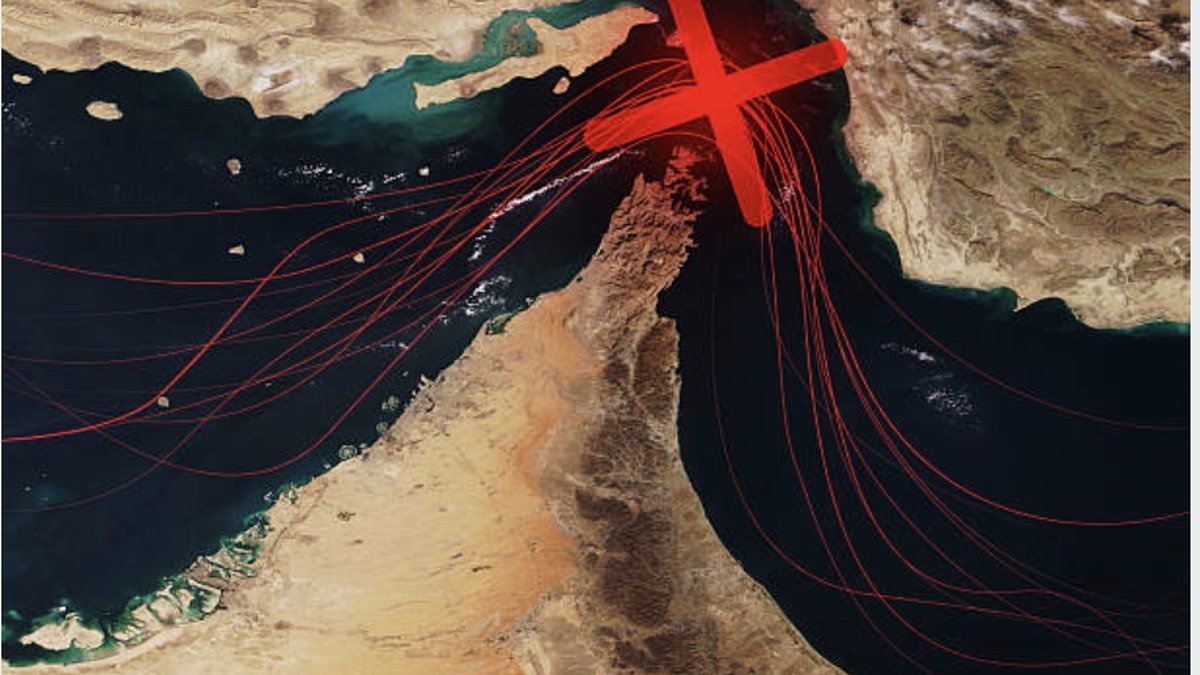
On February 28, 2026, global energy markets were thrown into chaos. The beginning of the Middle East conflict triggered the most significant oil market shock since the Russian invasion of Ukraine in 2022 and, in several respects, represented an even more profound disruption.
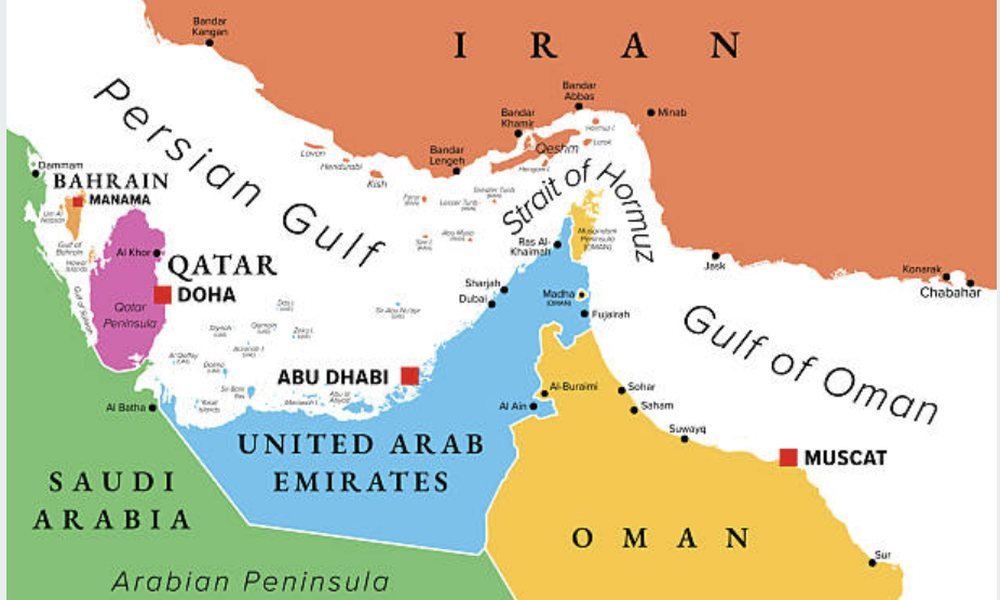
The immediate impact was staggering. What began as a geopolitical escalation quickly developed into one of the largest energy supply shocks in modern history. The Strait of Hormuz, through which approximately one fifth of the world's oil supply normally transits, was effectively closed. According to the US Energy Information Administration, crude oil and petroleum liquids transported through the strait fell from approximately 21.6 million barrels per day before the conflict to around 4.9 million barrels per day during the second quarter of 2026.
For traders and market participants, the initial weeks were defined by panic and extreme market dislocation. The International Energy Agency described the situation as the biggest supply cut in the history of the oil market.
The price response was immediate and severe. Brent crude had been trading in the $70 to $80 range before February. By early April, dated Brent, the key physical crude benchmark, had surged beyond $140 per barrel, reaching $141.37 on April 3. This was a level not seen since the 2008 financial crisis. For comparison, the approximately $128 peak reached during the 2022 Ukraine crisis was surpassed within weeks.
Markets moved from relative calm to crisis conditions in less than 30 days.