
Africa's Critical Minerals Push and the New Supply Chain Reality
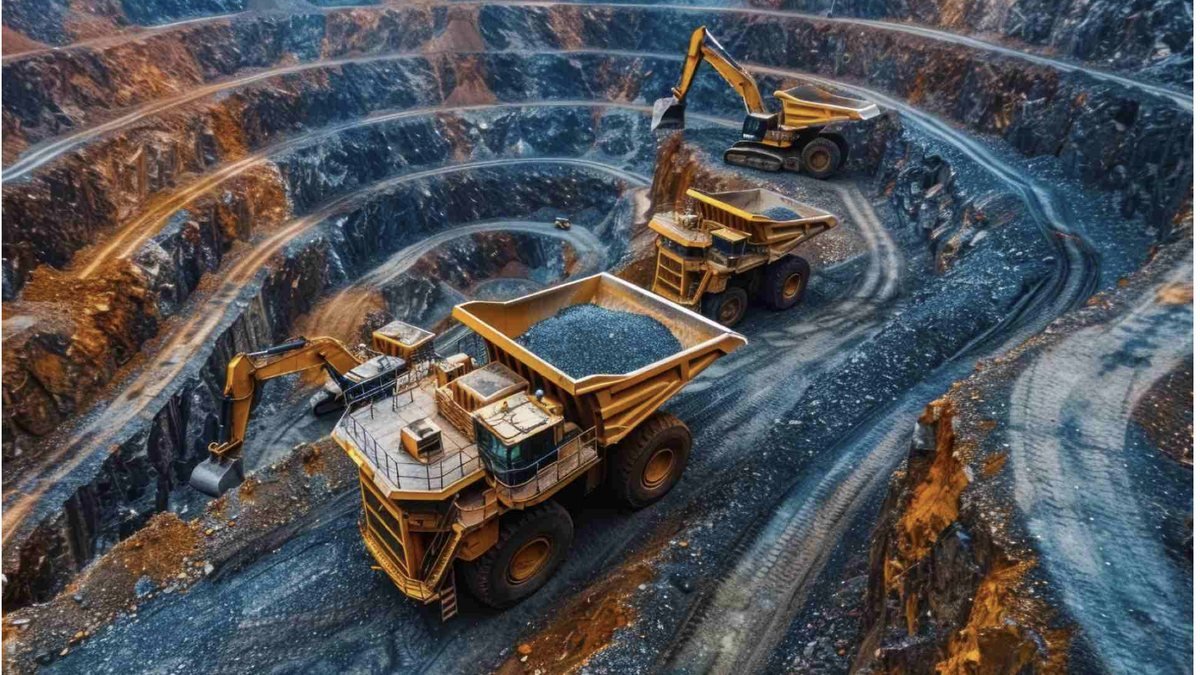
On July 10, 2026, the African Development Bank hosted a Ministerial Forum on Critical Minerals, Value Chains and Beneficiation in Abidjan, Côte d'Ivoire.
The message from African policymakers was increasingly clear. The continent does not intend to remain primarily an exporter of raw minerals. More processing is expected to take place locally.
Africa holds approximately 30 percent of the world's critical mineral reserves, including cobalt, lithium, graphite, rare earth elements, platinum group metals, copper, manganese and nickel. Yet the continent continues to export many of these resources in raw or semi processed form, limiting opportunities for industrial development and local value creation.
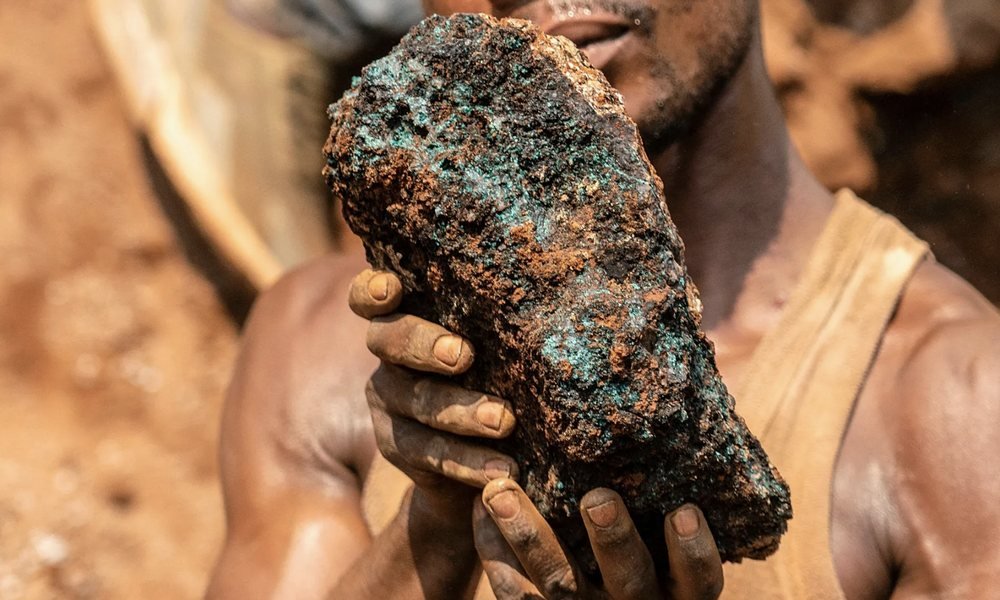
Professor Kevin Chika Urama, Chief Economist and Vice President of the African Development Bank Group, outlined how critical minerals could support inclusive economic growth and sustainable development.
The shift is already underway. Ten African countries and the African Union have intensified policies supporting local beneficiation. The policy direction is moving from individual raw mineral export restrictions towards broader concentrate restrictions combined with quotas and tariffs.
What does this mean for supply chains?
Local processing: Africa is expected to process an increasing share of its minerals domestically, creating more value added industries.
Policy risk: Companies exporting raw minerals may face increasing regulatory restrictions.
China's adaptation: Chinese mining companies are increasingly moving from a simple mine and ship model towards mining, processing locally and exporting finished or semi finished products.